
January 15 | 2021

Bielefeld/Germany

How has the importance of plasmid DNA for pharmaceutical applications changed due to the increasing production of gene therapy vectors and COVID-19 mRNA drugs?
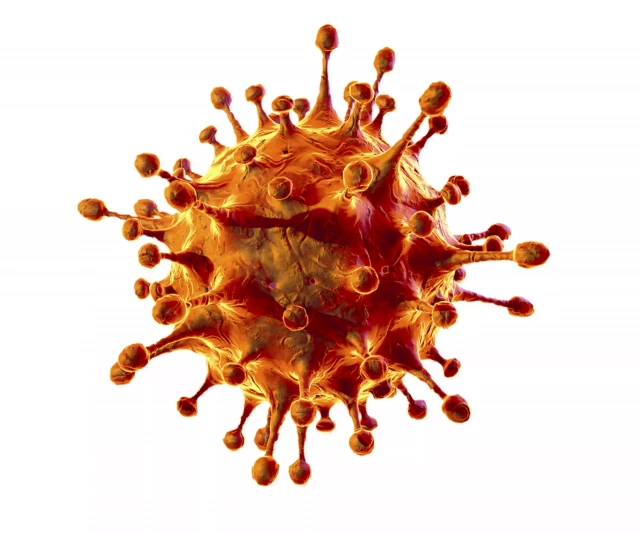
mRNA vaccines

Plasmids are used, for example, as starting material for the production of viral vectors (AAV, Lenti, etc.) and for the production of RNA. In particular, the production of plasmid DNA as a starting material for the production of RNA vaccines has become increasingly important, especially in the context of the COVID-19 pandemic situation, as RNA is considered a promising vaccine candidate for the prevention of certain viral infections and has the advantage of neither integrating into the genome of the cell nor remaining in the patient's body as a potentially effective molecule in the long term.

Minicircles are plasmid derivatives engineered to be devoid of bacterial sequence elements such antibiotic resistance genes or replication origin. In this way, they represent a meaningful adaptation of the idea of a gene delivery vehicle – without the problematic and unnecessary sequence elements. Apart from the reduction in size compared to the original plasmid, the trimming away of excess sequence enables the molecule to better evade host immune responses ultimately being better poised to circumvent gene silencing scenarios post-transfection. Moreover, with the removal of the resistance genes, these constructs are a safe bet from a regulatory standpoint going forward to the next generation of gene therapies.

Thanks to the reduction in size, for example, the amount of DNA required for nucleofecting T-cells can be reduced. Our collaborators used a non-viral sleeping beauty-based transposition to generate CAR-T cells whereby a higher transposition rate was noticed while using minicircles as compared to plasmids. The reduced DNA toxicity experienced by the cells contributed ultimately to a higher yield of CAR-modified T cells. These minicircles were produced in High Quality grade allowing for the GMP production of such CAR-T cells which have actually entered the clinic.

When used for AAV production, minicircles offer certain unique advantages. The absence of undesired backbone sequences removes the possibility of these sequences being falsely packaged into the transfer vectors. In one of the studies by our collaborators, a head-to-head comparison with the use of plasmids revealed up to a four-fold increase in vector genome yield.

Furthermore, minicircles are now being used to generate new and better viral vectors based on other systems which will also be showcased in this symposium.

Finally, PlasmidFactory will touch upon certain unique aspects of these minicircles and elucidate where they stand among the different types of minimal expression cassettes. This would help to bring much needed clarity among gene therapy researchers in this fast-changing landscape.

Invited speakers:

  1. Univ. -Prof. Dr. med. Michael Hudecek, University Hospital, Würzburg, Germany
    Advanced strategies for gene transfer and gene editing in CAR-T cells
  2. Dr. Kathrin Teschner, Sartorius Xell GmbH, Schloss Holte-Stukenbrock, Germany
    Use of minicircles for the production of AAV in HEK293 cells
  3. Dr. Thijs Gerritzen, Amarna Therapeutics, Leiden, The Netherlands.
    Generation of a new, re-dosable, SV40 viral vector based on minicircle DN

Chairs:

  1. Dr. Daniel Scherman, Université Paris Descartes, Paris, France
  2. Dr. Martin Schleef, PlasmidFactory GmbH, Bielefeld, Germany

High quality DNA with the requirements to perform as starting material for the production of RNA used in clinical applications

Interview from BioTechnologie Yearbook 2020 with Dr. Martin Schleef, CEO, PlasmidFactory GmbH

What expertise and experience does PlasmidFactory have in the production of plasmid DNA for pharmaceutical application?

Thanks to its 20 years of experience in the field of DNA production, PlasmidFactory has an established process for the production of corresponding plasmid DNA, which fulfils the requirements to be used as a starting material for the production of such RNA used in clinical applications: High Quality Grade Plasmid DNA. This plasmid DNA is produced in a special facility: Starting from a characterised cell bank (RCB), the manufacturing process goes through various well-documented production steps.

The HQ fermentation plant is physically separated from the purification (chromatography) to ensure that the downstream processing of the sensitive DNA is not affected by live contamination. The proprietary special, patented digestion and purification process results in a high level of pure, supercoiled (ccc) plasmid monomers that meet regulatory requirements to form a defined, homogeneous product that undergoes a series of quality controls (QCs) for the cell bank and plasmid DNA product prior to release. The corresponding QC report is then part of the delivered product alongside the release certificate.

What quality parameters do PlasmidFactory products offer?

In contrast to previously available processes, which were sufficient for the production of plasmid DNA for research in terms of quality and quantity, a process must now be developed that enables plasmids to be produced both in High Quality Grade and in sufficient quantities. Due to the high quality requirements, this represents a considerable challenge that currently needs to be solved in the area of fermentation as well as chromatographic processing of the DNA product. Due to our expertise, particularly in these areas, we see the PlasmidFactory in a pioneering role - we are happy to take on this challenge - very successfully so far!